improvement in confidence in airway skills (2.8 → 4.2 of 5)
4.75+
every lecture and station rated at least 4.75 of 5
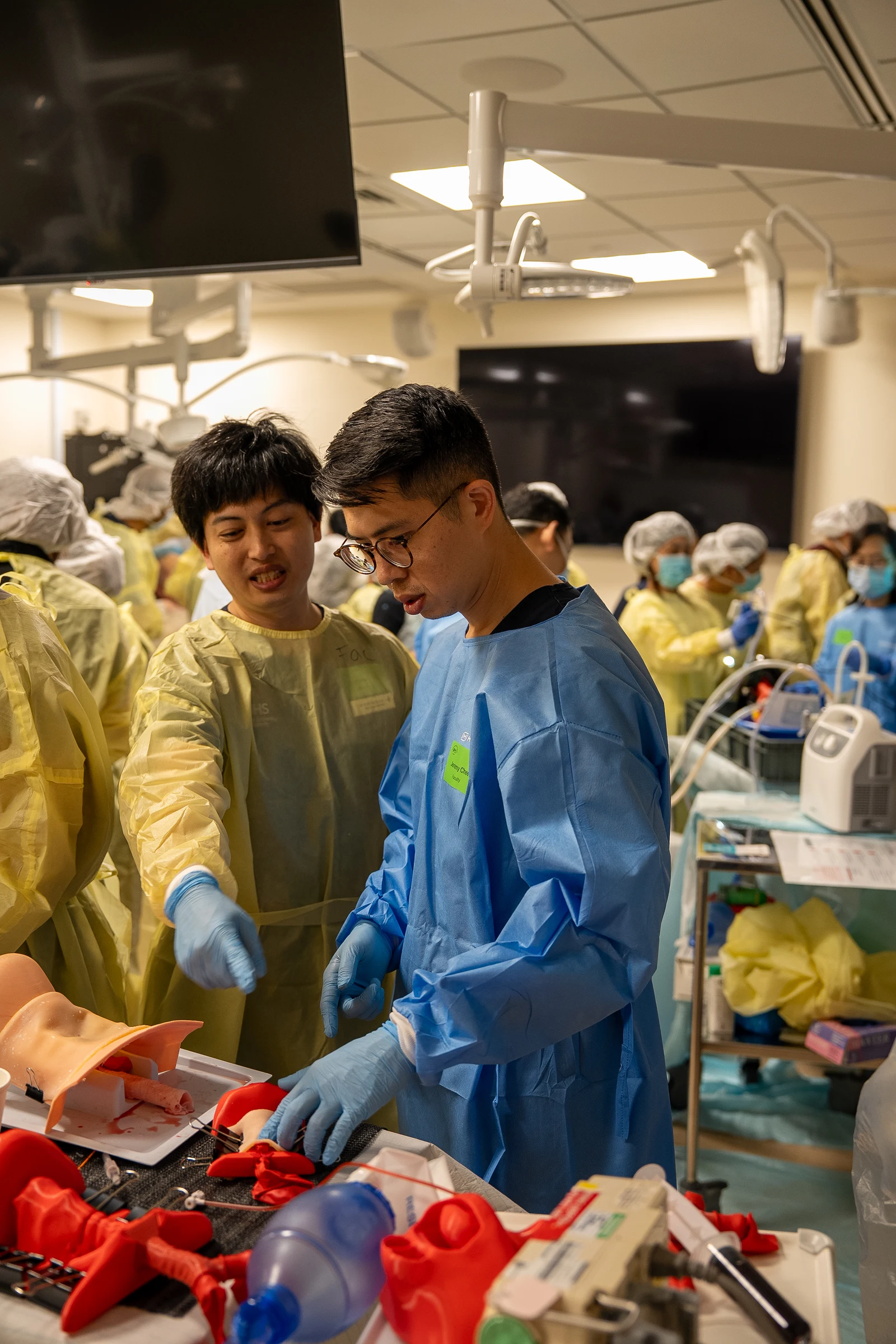
“Hands on wet lab. Friendly comfortable environment to learn and make mistakes”
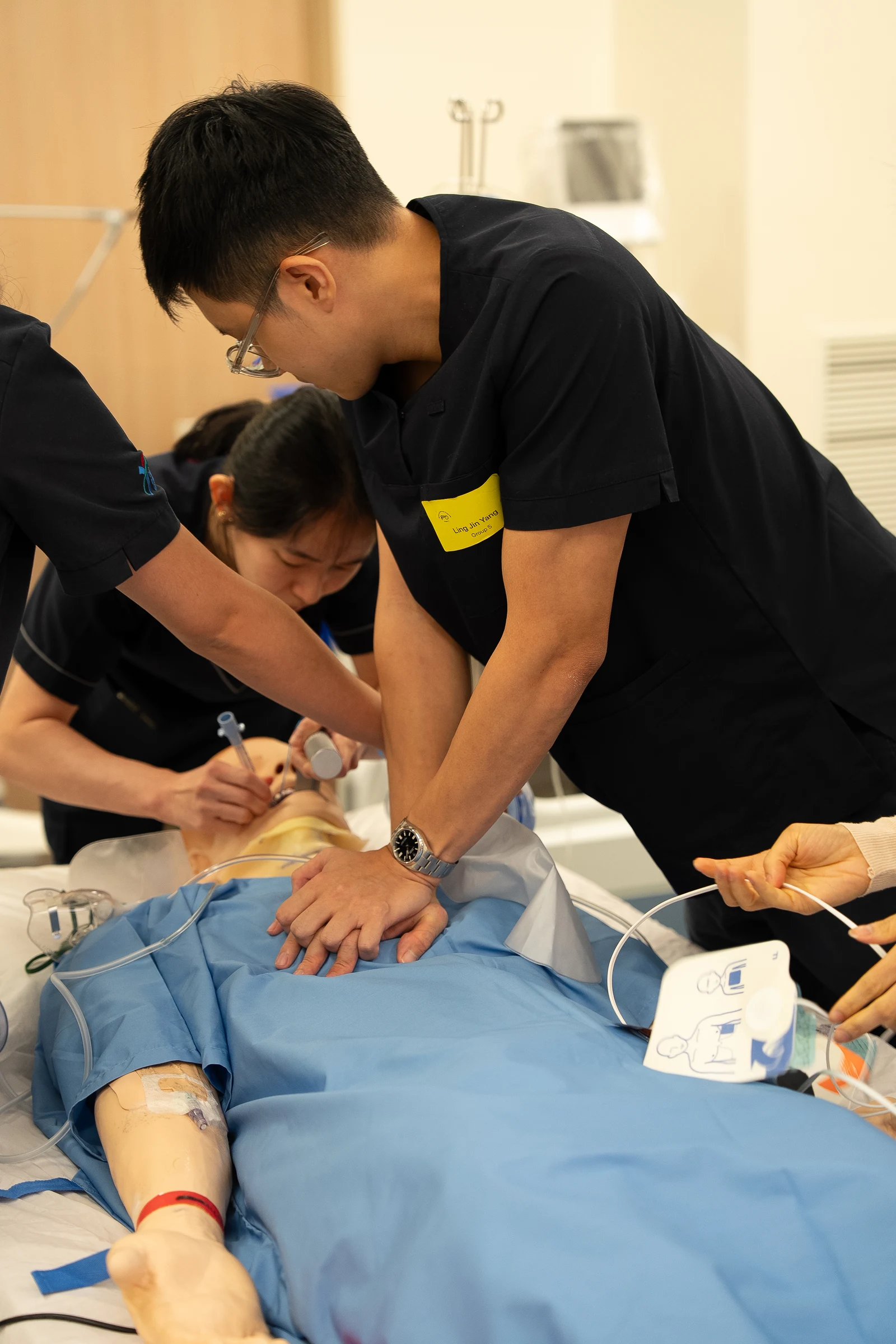
“Practicing using equipment & clarifying how to use equipment that I rarely get to use in clinical practice. Learning new difficult airway management techniques from airway experts”
“Lectures were amazing, it was great to hear from experienced clinicians who highlighted the importance of many of the stations as well as planning ahead airway wise. Getting the opportunity to get hands on practice was also very good for everyone”
“Very practical workshops. Loved it being mostly hands-on with teaching while practising, for my immediate application to real scenarios. Great variety of high fidelity topics. Awesome job!”
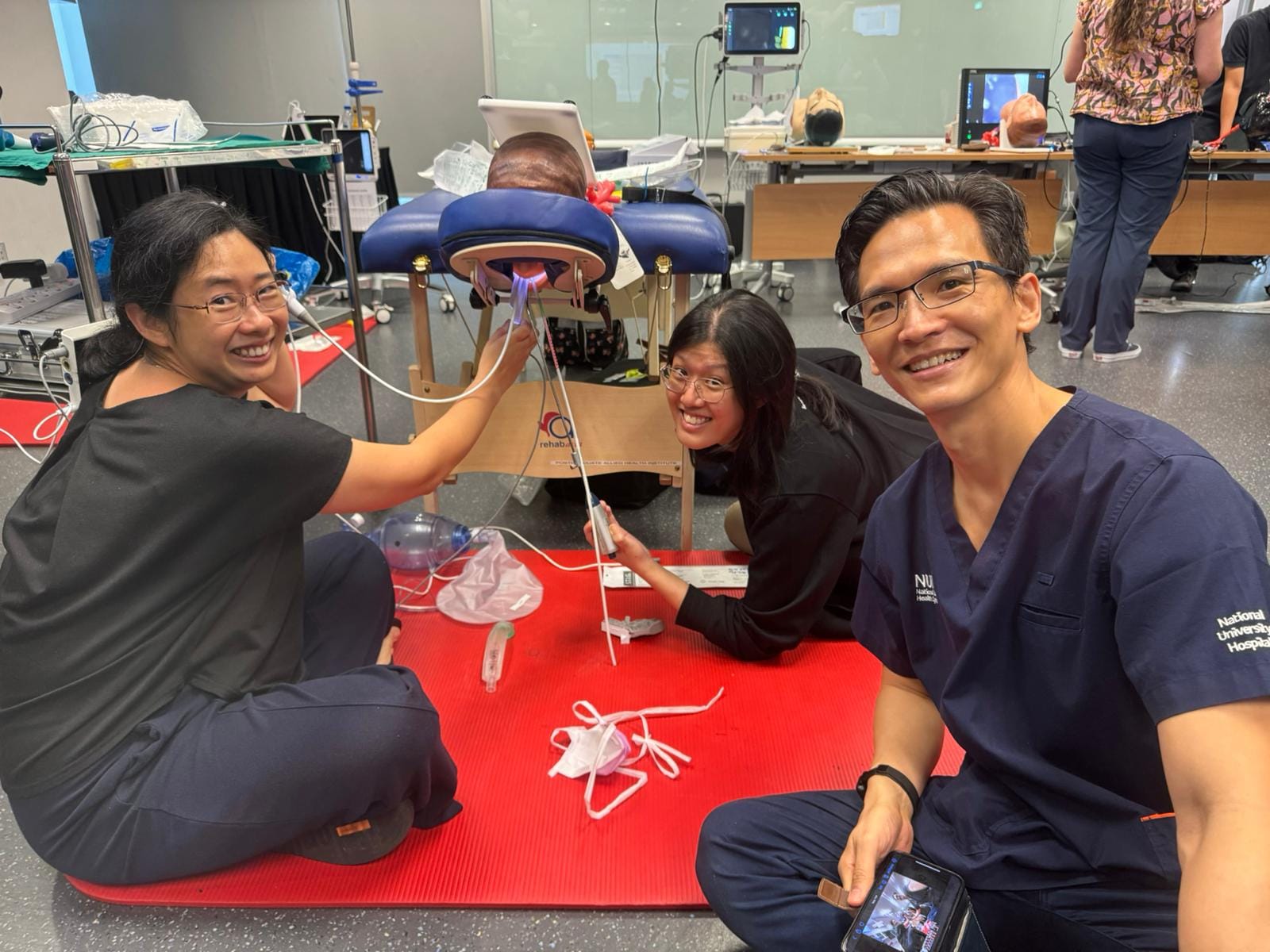
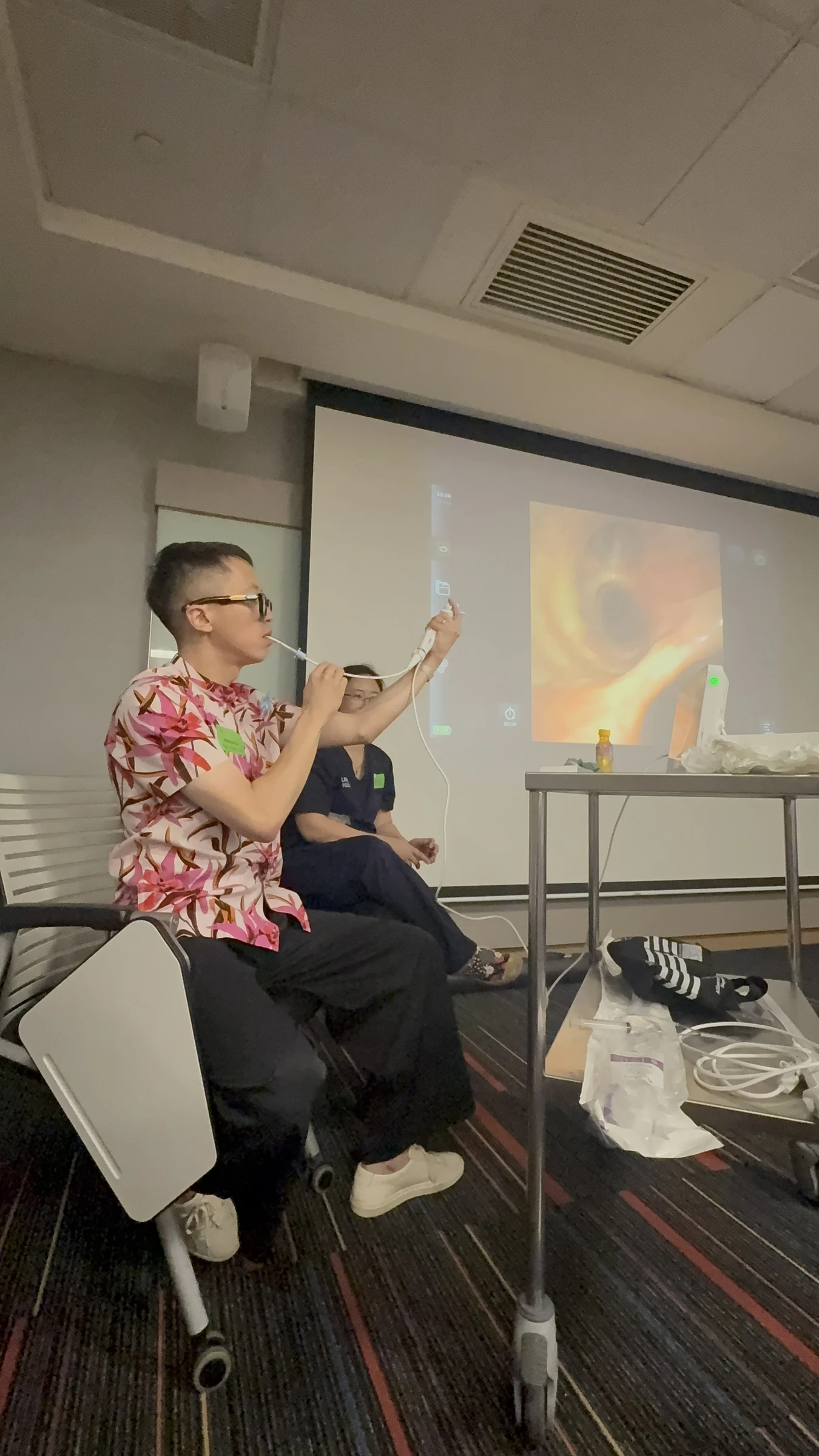
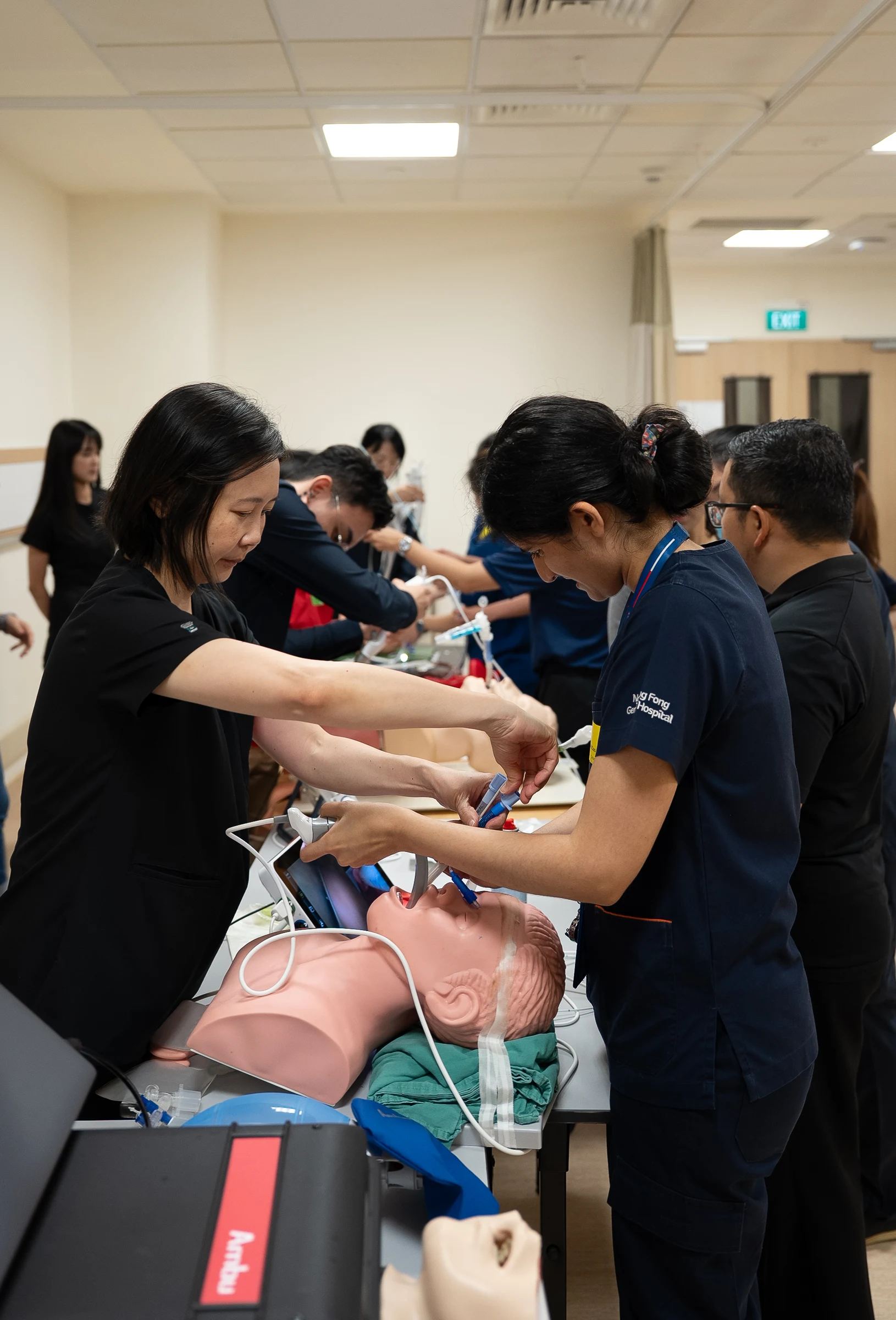
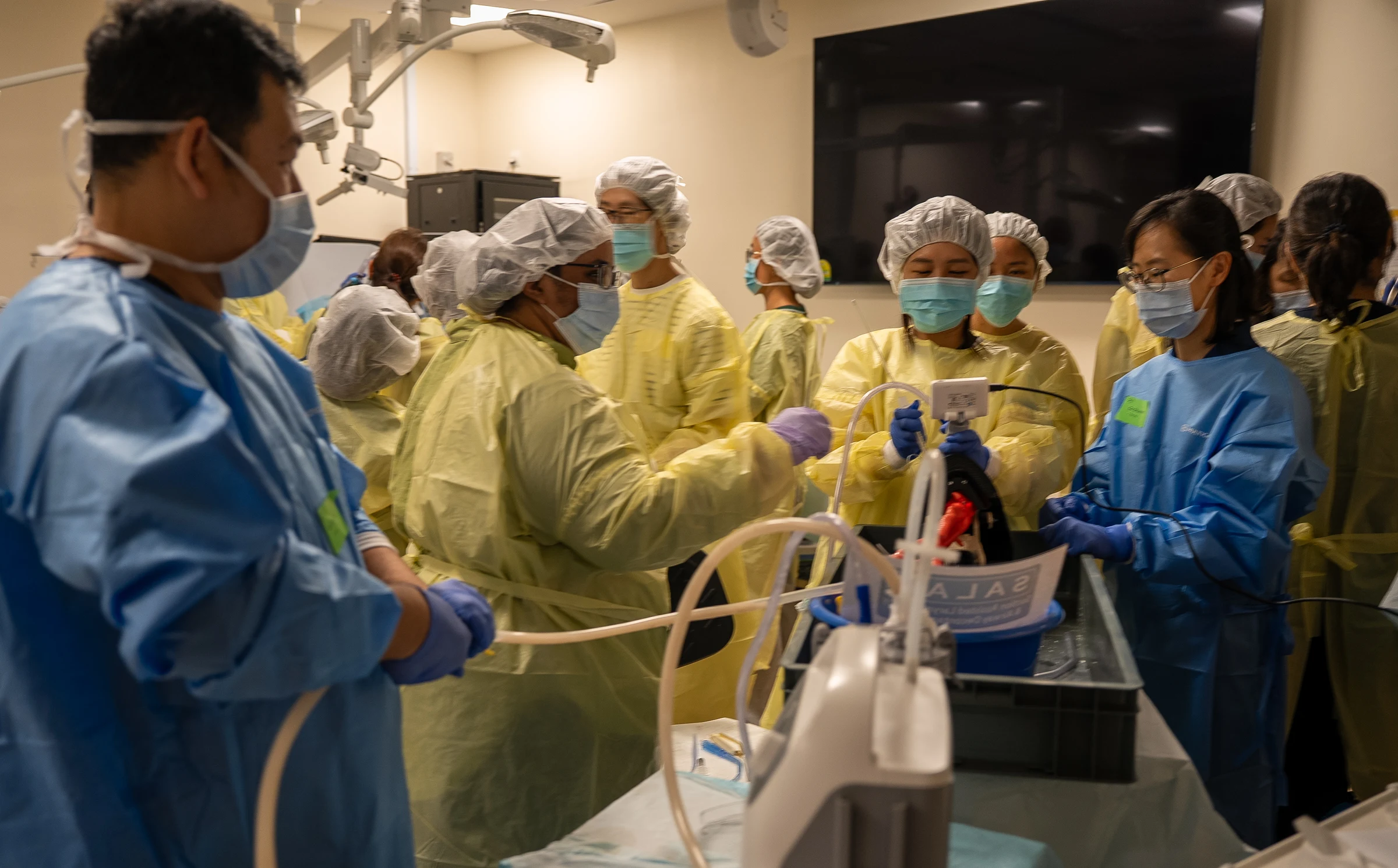
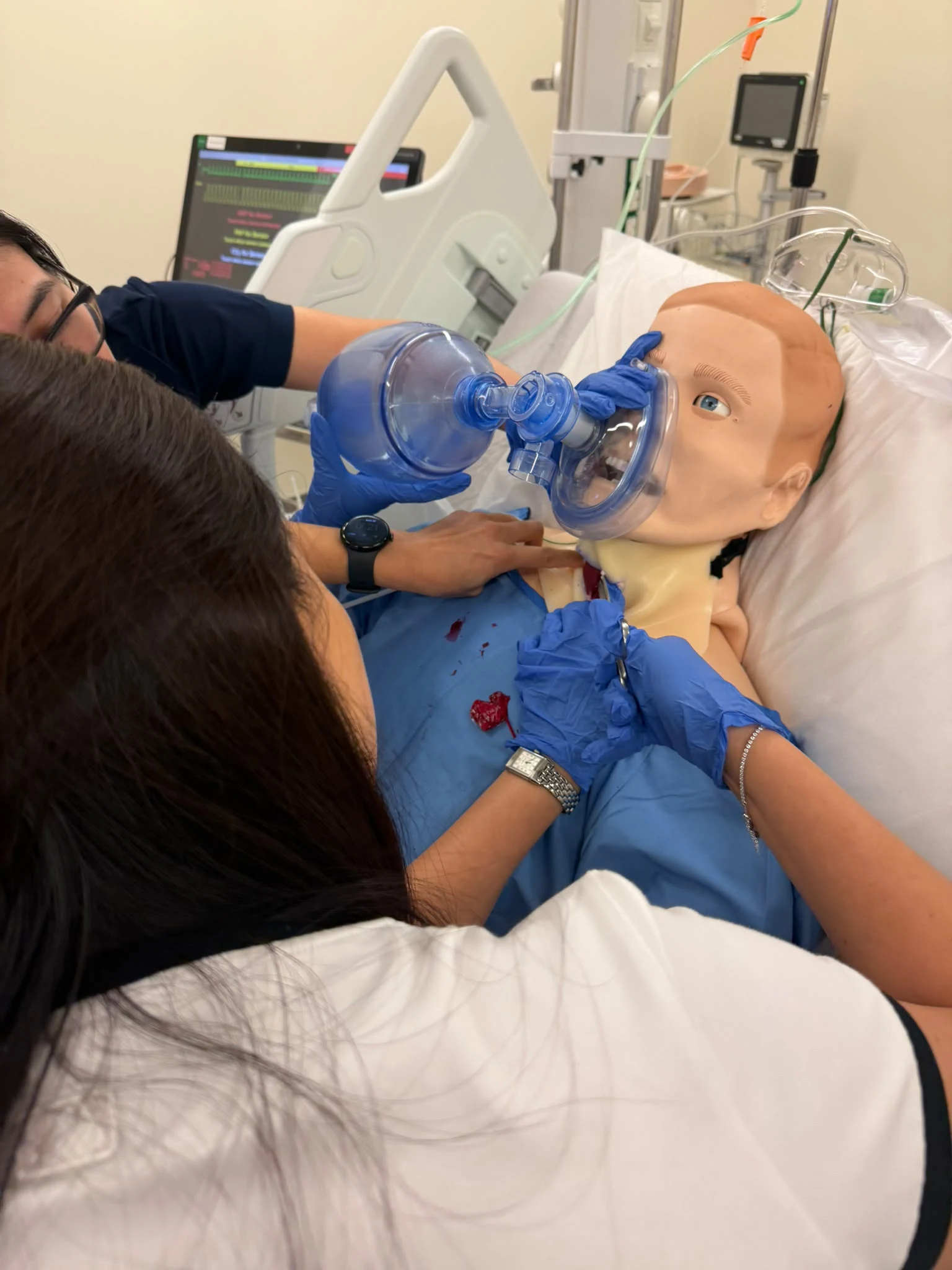
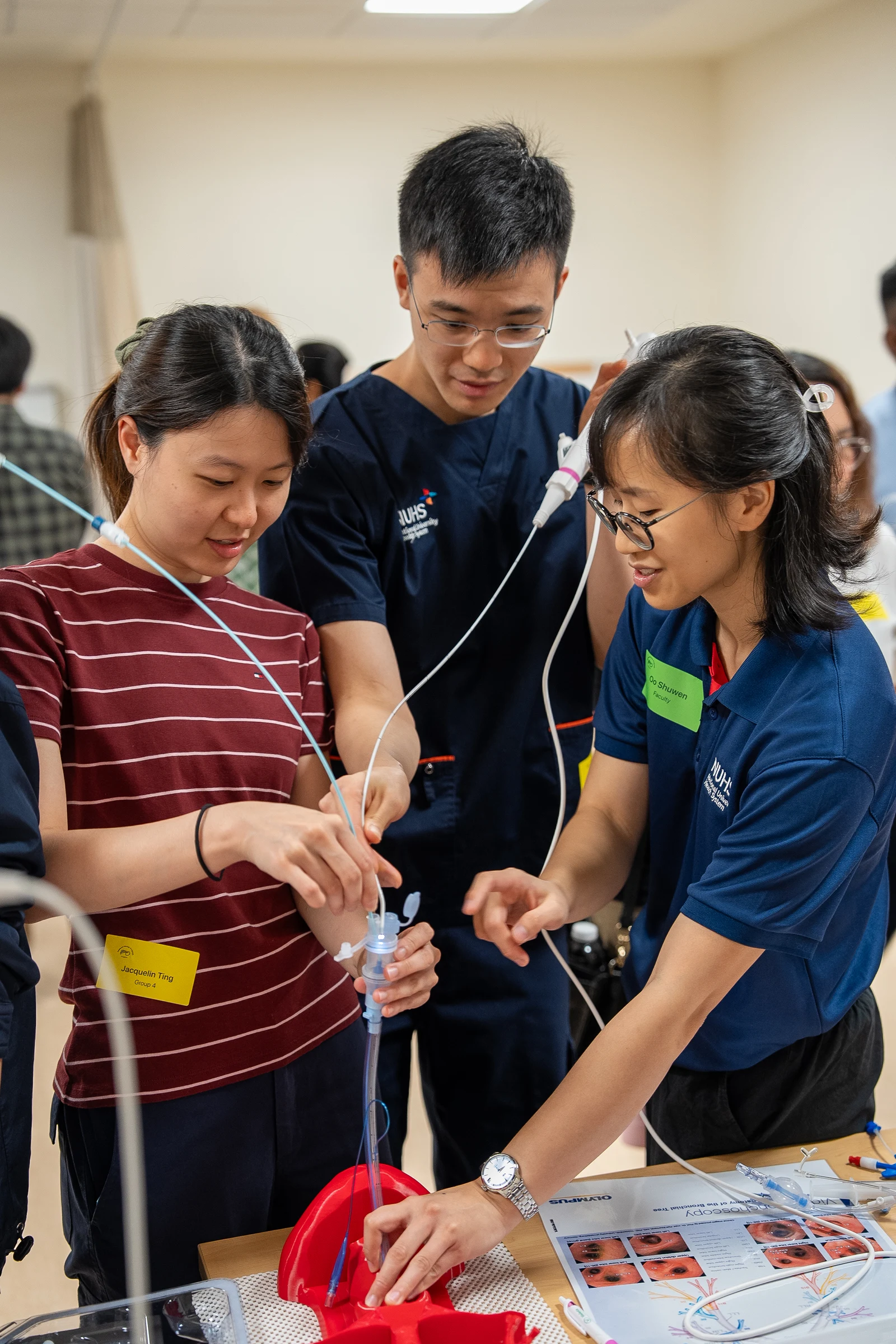
A full Saturday of plenaries and six hands-on stations, plus an optional Friday afternoon of medical 3D printing. Every participant rotated through all six stations.
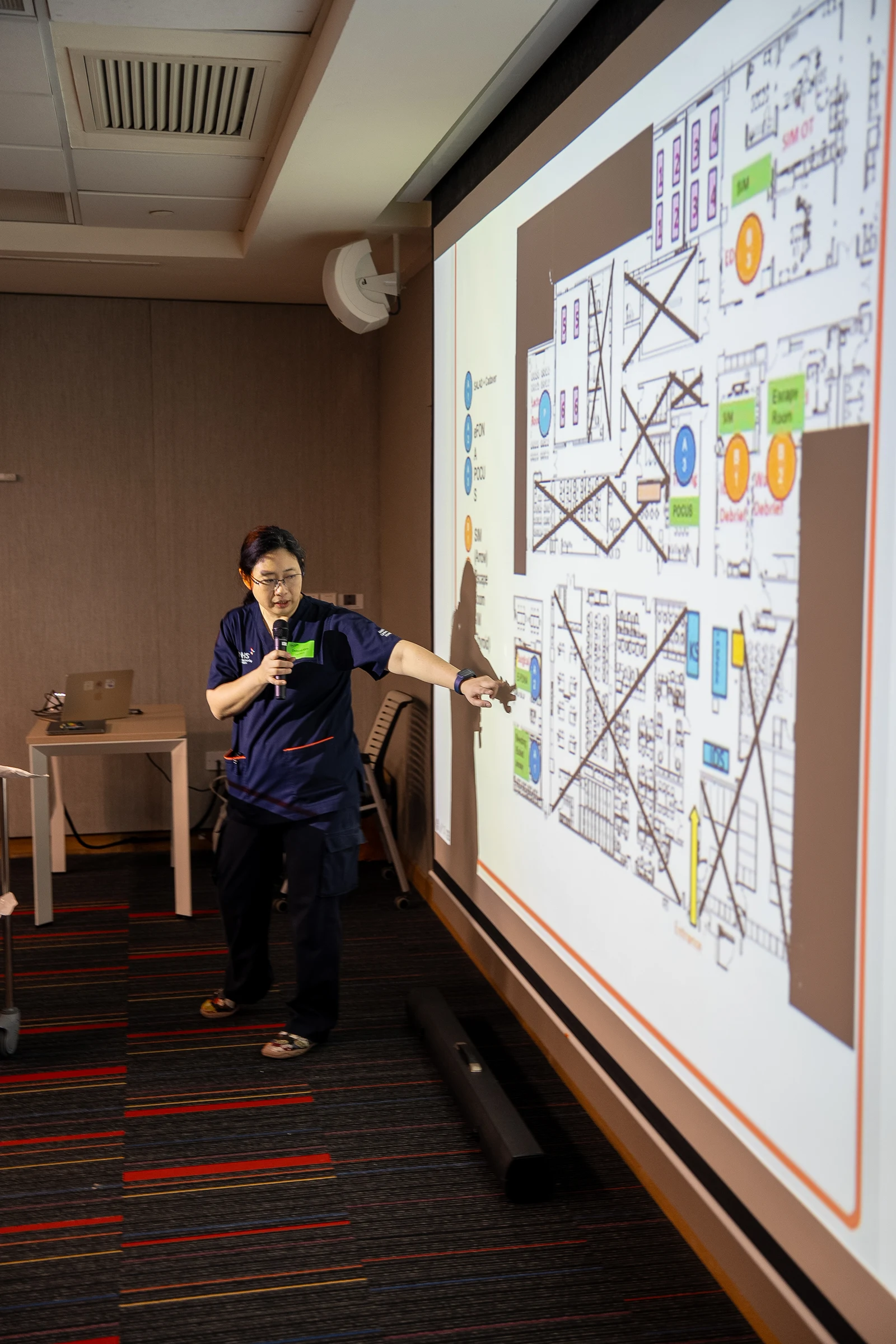
0815–1800 · JurongHealth Simulation & Clinical Education Centre (JSCEC), B2, Tower B, NTFGH. Morning dry-station rotations and plenaries, then six workshop stations across the afternoon.
0815–1045
Dry stations · 6 × 25 min
Registration + Clinician Refresher
Structured group rotation — each group moved through all six dry stations, 25 minutes each.
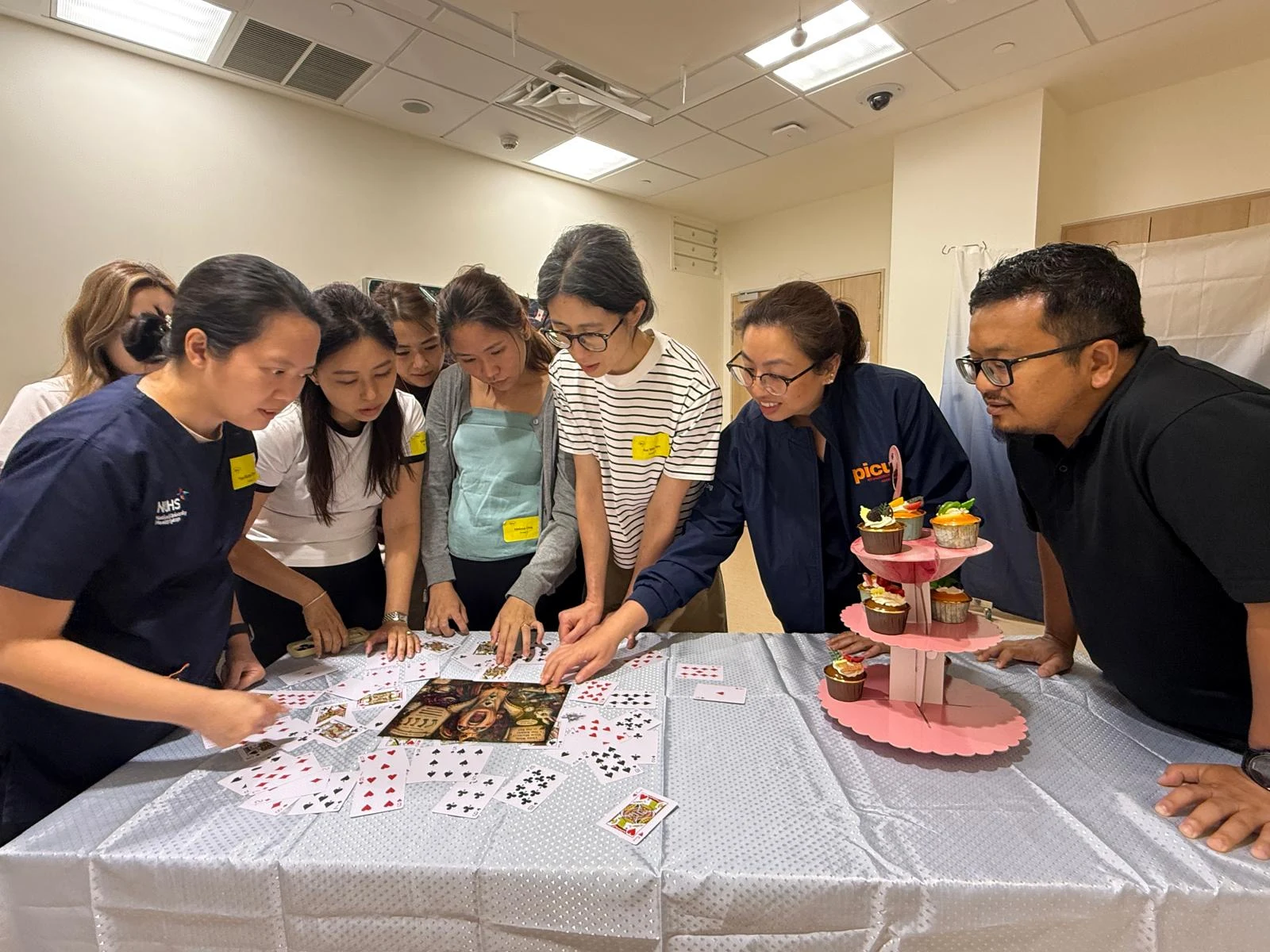
Groups 1–3: Track A (wet lab & POCUS, A1–A3) · Groups 4–6: Track B (simulation & escape room, B1–B3). Rotations at 1240, 1325 and 1410.
1455–1525
Break + vendor booth interactions
1525–1740
Block 2 · Rotations 4–6 · 45 min each
Workshop stations — second half
Tracks swapped — Groups 1–3: Track B, Groups 4–6: Track A. Every group completed all six stations. Rotations at 1525, 1610 and 1655.
1740–1800
Debrief · Escape Room winner · e-Survey
1400–1800 · Medtronic Singapore, Mapletree Business City. An optional add-on — design, slice and print a patient-specific airway part, then pitch it in a mini design competition.
1400–1440
40 min
Introduction to 3D Printing & Materials
Industry and medical applications to date. Material science — the properties of each printing material.
1440–1530
50 min · Hands-on
CAD Training I — The Basics
Tinkercad fundamentals: the core functions needed to build an item from scratch.
1530–1600
30 min · Hands-on
Bambu Studio & Printer Parts
Slicer introduction and settings for print success, printer walkthrough. Group 1 slices and sends the first batch to the printers.
1600–1620
Refreshment break — watch the live printing
1620–1715
55 min · Competition
CAD Training II & Mini-Competition
A 50-minute design problem using advanced Tinkercad — align, mirror, workplane manipulation. Group 2 sends the best designs to the printers.
1715–1745
30 min · Hands-on
Post-Processing
Support removal and clean-up techniques for finished prints.
1745–1800
Wrap-up, pop quiz & competition winner
Entries judged on creativity and printability.
04 — Featured Plenary Speakers
Learn from the Experts.
Our thanks to the regional airway leaders who delivered the plenary block — and to the station faculty who taught every rotation hands-on.
Plenary Speaker
NAPS 2026 Lead Director
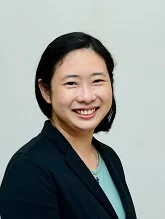
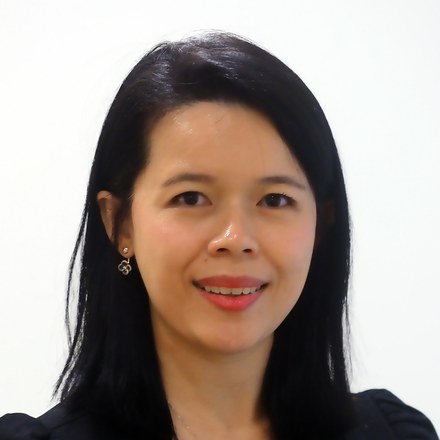
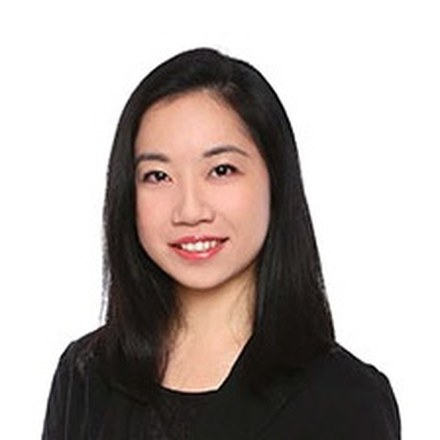
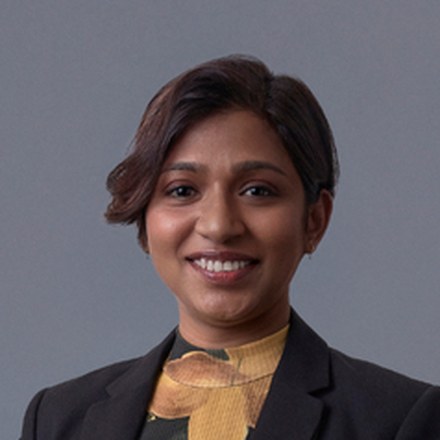
Dr Deborah Khoo
National University Hospital
Read profile →
Plenary Speaker
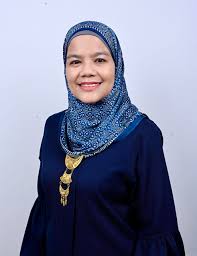
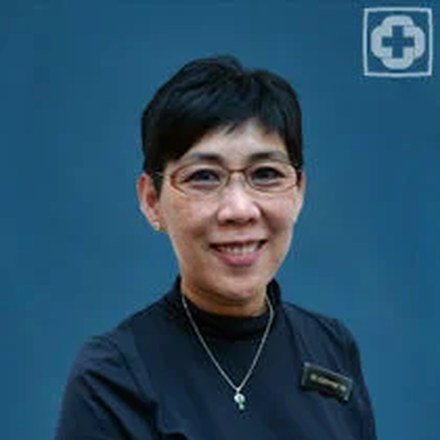
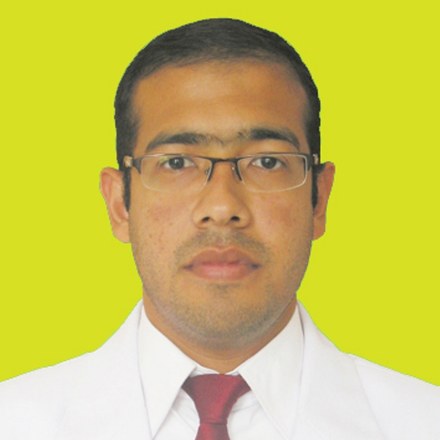
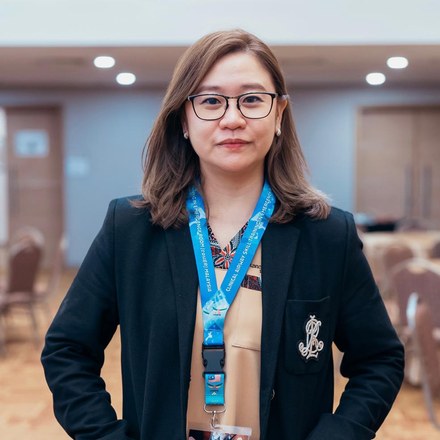
Dr Ina Ismiarti Shariffuddin
University of Malaya
Read profile →
Plenary Speaker
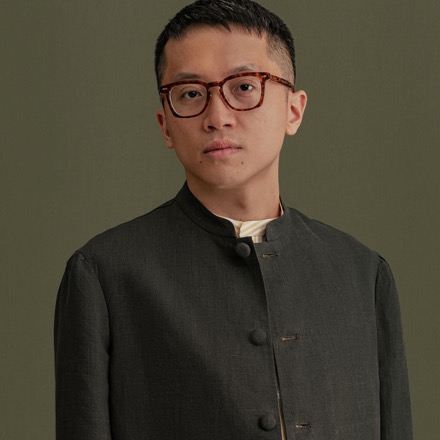
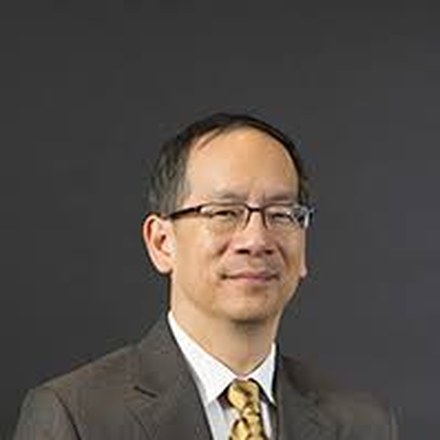
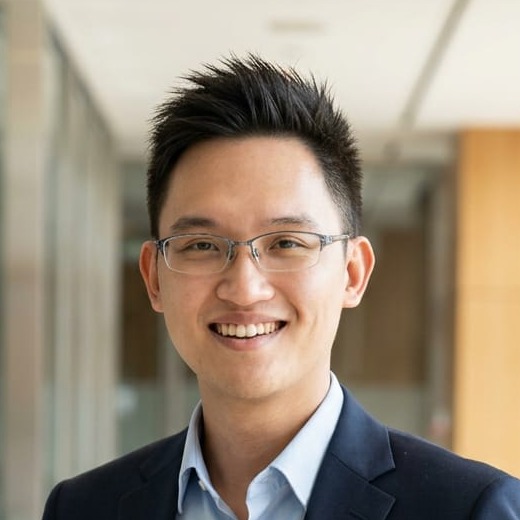
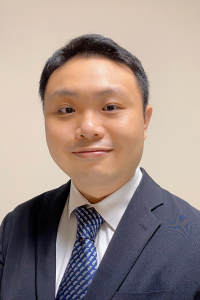
Dr Sampson Lim
Woodlands Hospital
Read profile →
SSA Airway SIG Lead
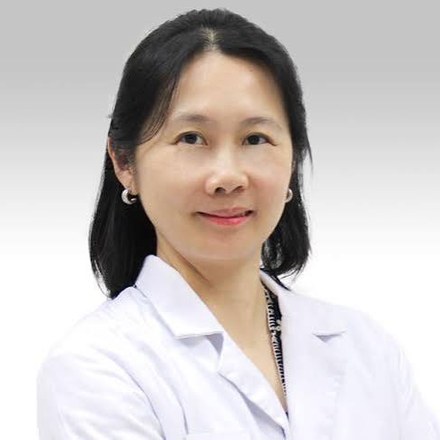
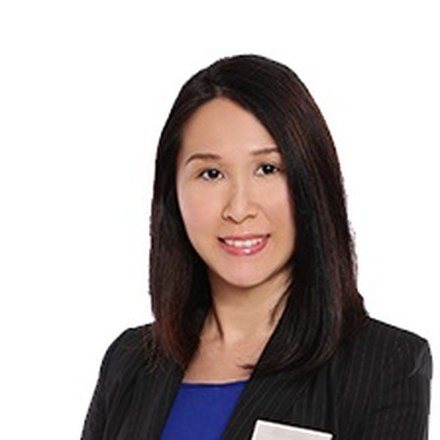
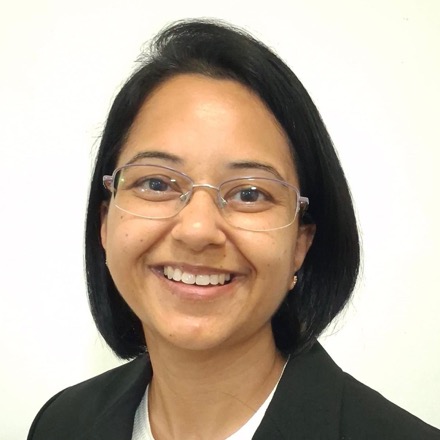
Dr Zhang Jinbin
Tan Tock Seng Hospital
Read profile →
Featured FacultyStation leads and hands-on faculty
PAEDS AIRWAY
Dr Josephine Tan Swee Kim
KK Women's and Children's Hospital
WET LAB
Dr Ted Wong
Singapore General Hospital
WET LAB
Dr Wipada Tingthanathikul
King Chulalongkorn Memorial Hospital
WET LAB
Dr Anas Alatas
Cipto Mangunkusumo Hospital
AIRWAY SIM
Dr Joanna Tan Liyan
Ng Teng Fong General Hospital
WET LAB
Dr Lean Lyn Li
Ng Teng Fong General Hospital
WET LAB
Dr Sean Lim
National University Hospital
AIRWAY SIM
Dr Selvaraj Sangeetha
Singapore General Hospital
AIRWAY SIM
Dr Joanne Hng
Beijing United Family Hospital
POCUS · Airway / Gastric US
Dr Jonathan Cheng
Singapore General Hospital
ESCAPE ROOM
Dr Namisha Goyal
Alexandra Hospital
05 — Our Sponsors
Made possible by.
NAPS 2026 was made possible by leading medical-technology partners who supplied the devices, consumables and expertise behind every station.
06 — Resources
Take it with you.
Four references underpinned the day. Keep them close — they are the basis of everything we practised.
Supported bySingapore Society of Anaesthesiologists – Airway SIG
Endorsed byCollege of Anaesthesiologists, Singapore
Dr Deborah Khoo is a Senior Consultant in the Department of Anaesthesia at National University Hospital. She serves as Associate Chairman of Medical Board for Medical Affairs (Human Resource), and previously led the NUHS Anaesthesia Residency Programme as its Programme Director.
A dedicated and enthusiastic educator, she has a particular passion for simulation-based teaching. Her research spans a broad range of interests — from difficult airway management and training to medical education methodology, anti-fibrinolytics in spine surgery, device and technology development, and remote anaesthesia.
She has published posters and papers in international journals, and continues to drive active research projects in medical education and device innovation.
Professor at Universiti Malaya, where she heads the Medical Education and Research Development Unit, Faculty of Medicine. A graduate of the University of Dundee, she holds a Master of Anaesthesia and a Master in Medical Education with Honours from Universiti Malaya.
She completed fellowships in paediatric anaesthesia at KK Women's and Children's Hospital, Singapore, and obtained certification in paediatric liver transplant anaesthesia at Renji Hospital, Shanghai.
She is President-Elect of the Asian Society of Paediatric Anaesthesia, Immediate Past President of the College of Anaesthesiologists Malaysia, Past President of the Malaysian Society of Anaesthesiologists, and Editor-in-Chief of the Malaysian Journal of Anaesthesiologists.
Her contributions span perioperative paediatric care, the Paediatric Anaesthesia Transplant Unit, advanced airway management, and medical education — with publications in international peer-reviewed journals and frequent invitations to speak at international conferences. She is founding faculty for the WFSA Global Leadership in Anaesthesia (GLiA) course.
Associate Consultant Anaesthetist at Woodlands Health (NHG), where he serves as Department Airway Lead, Trauma Representative, and Core Clinical Tutor for medical students.
His clinical interests span safe airway management for shared airway surgery, damage control resuscitation in trauma, and medical education.
A firm proponent of awake tracheal intubation for complex airways, he has performed over 50 awake intubations across a variety of airway tools — including intubating himself during an airway workshop last year.
His current favourite intubation tool is the rigid UE Video Stylet.
Outside medicine, he is an avid reader on art and design — particularly Danish design and vintage Danish furniture. His all-time dream chair is the iconic 45 Chair by Finn Juhl.
Dr Zhang graduated from the National University of Singapore in 2005 and obtained her MMed (Anaesthesiology) in 2012. She completed a one-year fellowship in difficult airway management at Dalhousie University, Halifax, Canada in 2013.
Since returning from fellowship, Dr Zhang has been actively involved in difficult airway management education and research. She serves as the airway lead in her department and is currently the Lead of the Singapore Society of Anaesthesiologists' Airway Special Interest Group. She is part of the local faculty for airway workshops, including the annual National Airway Programme Singapore, for which she was Programme Director in 2021. She has also been invited as speaker and faculty at numerous international conferences and airway workshops.
In addition to her research publications, Dr Zhang has co-authored chapters in textbooks on difficult airway management. She continues to explore new airway techniques and learn from her colleagues to stay at the forefront of her field.